Decarbonising Zones
A Decarbonising Zone is a specific area that has been chosen by a local authority where a range of solutions are identified to address local, low-carbon energy, greenhouse gas emissions, and climate needs. These areas across the country will act as test-beds for innovation.
Overview
The National Climate Action Plan 2023 (CAP 23) states that each local authority across the country must create or update their Local Authority Climate Action Plans (LA CAP). As part of this, each local authority must choose at least one area to implement a Decarbonising Zone (DZ).
“Decarbonising” – Taking carbon out of the equation completely by removing fossil fuels from electricity, heat and transport.
A Decarbonising Zone (DZ) is a specific area that has been chosen by a local authority where a range of solutions are identified to address local low-carbon energy, greenhouse gas emissions, and climate needs to contribute to national climate action targets. The government has committed to reduce emissions by 51% by 2030 and to reach net-zero emissions no later than 2050. The Decarbonising Zone plans must reflect these national targets at a local level. In other words, these areas across the country will act as test-beds for innovation with the aim of improving local communities and reducing emissions.
Dublin's Decarbonising Zones
In Dublin, all four local authorities have chosen the following locations for their DZs:
- Clondalkin (South Dublin County Council)
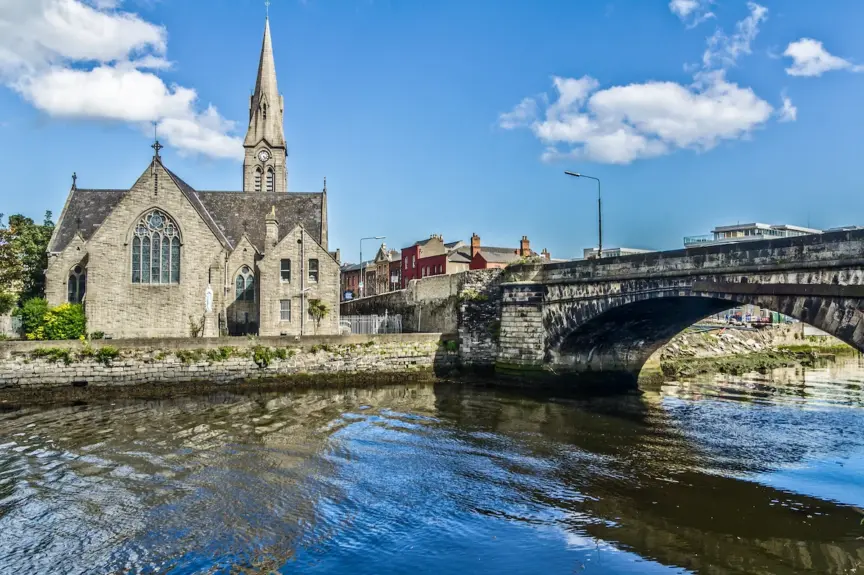
- Dún Laoghaire and Blackrock (Dún Laoghaire-Rathdown County Council)
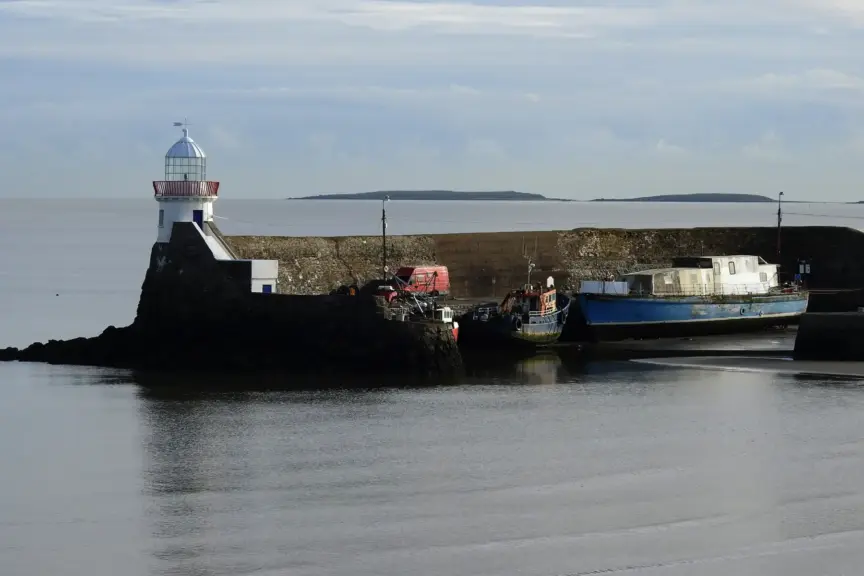
- Balbriggan (Fingal County Council)
- Ballymun and Ringsend / Poolbeg (Dublin City Council)
Codema’s role in Dublin’s Decarbonising Zones
On an ongoing basis, Codema supports the Dublin Local Authorities (DLAs) to meet their legal and policy requirements in the development of their Decarbonising Zone plans.
To date, Codema has developed four Decarbonising Zone plans for the DLAs; these plans map and analyse the energy demand and emissions for residential and commercial (including public sector and industrial) buildings, and the transport sector across the Decarbonising Zone. Codema has also supported Dublin City Council and South Dublin County Council in the development of a Local Engagement Plan to ensure the local community is involved in the development of the Decarbonising Zone plan. For Dún Laoghaire-Rathdown County Council, Codema developed sector-specific information packs to build the knowledge and capacity of stakeholders participating in the workshop process.
Developing an evidence base
Codema’s technical work on Decarbonising Zones includes:
- A full evidence base of spatially mapped out emission sources and low-carbon resources in the DZs
- Potential increase/decreases in emissions projected to 2030
- Costs associated with reducing emissions and climate pathways
- A gap-to-target analysis, based on the 51% emissions reduction target
- An analysis of available data to estimate what changes in emissions have happened since 2018
- A register of opportunities to help define a portfolio and pipeline of decarbonisation projects for delivery and outline potential funding opportunities.
Local engagement of Dublin’s Decarbonising Zones
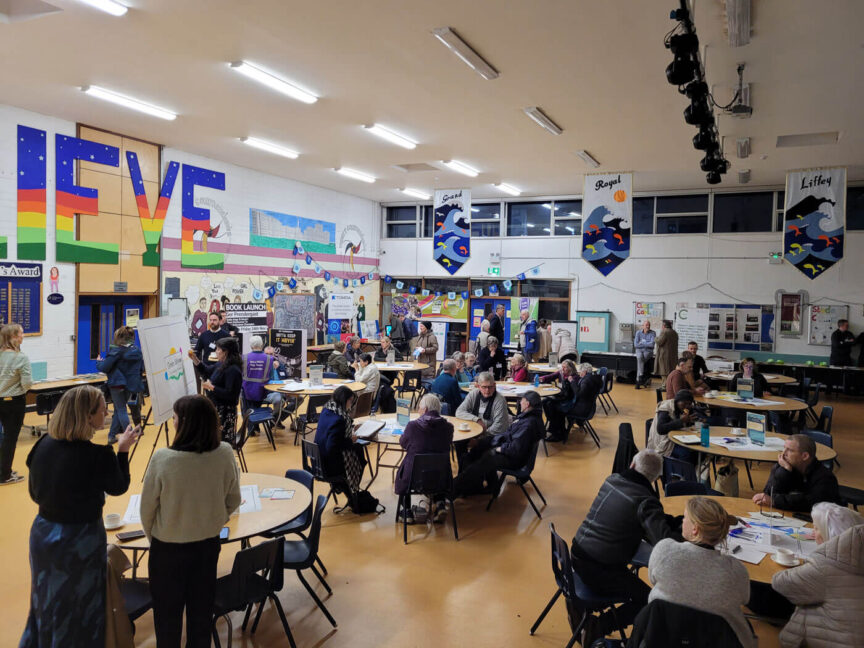
In the pursuit of effective decarbonisation efforts, it is essential to actively include and consider the perspectives of the community in the creation of Decarbonising Zone plans. The success of these local plans hinges on their ability to resonate with and address the unique needs, concerns and aspirations of the relevant community within and around the DZ boundary. Therefore, our Public and Stakeholder Engagement team has supported and continues to support the Dublin Local Authorities in their DZ community and stakeholder engagement.
Place-based approach
To ensure the community’s perspective is captured, we support a place-based approach to engagement. By understanding the community’s perspective, a more holistic and contextually relevant plan can be developed; one that considers local knowledge, history, cultural nuances and the day-to-day realities of residents. This inclusive approach can foster a sense of ownership and engagement and enhance the plan’s likelihood of successful implementation. Incorporating diverse community perspectives also helps uncover local, innovative solutions and ensures that the plan aligns with the community’s values, thereby fostering a collaborative effort towards a shared, sustainable future.
Decarbonising Zones in action
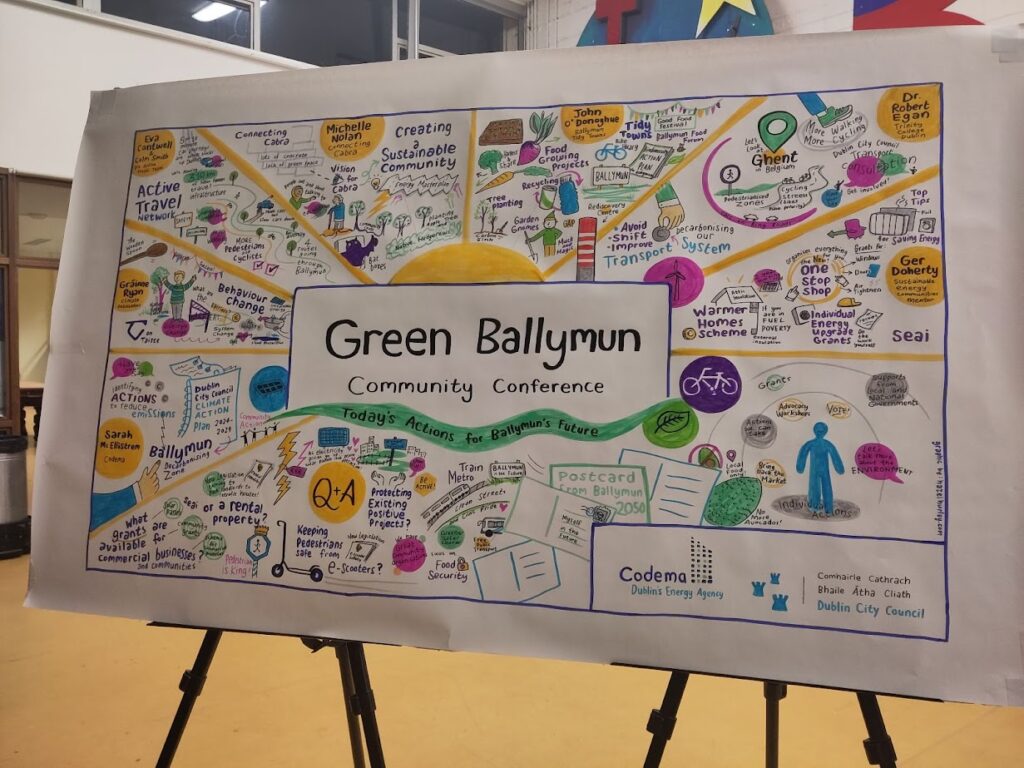
In 2023, Codema implemented an extensive community engagement plan for Dublin City Council’s Decarbonising Zones: 1) Ballymun and 2) Ringsend / Poolbeg. This involved engaging local community members to take part in information sessions, facilitated workshops, community conferences and presentations from July 2023 to January 2024.
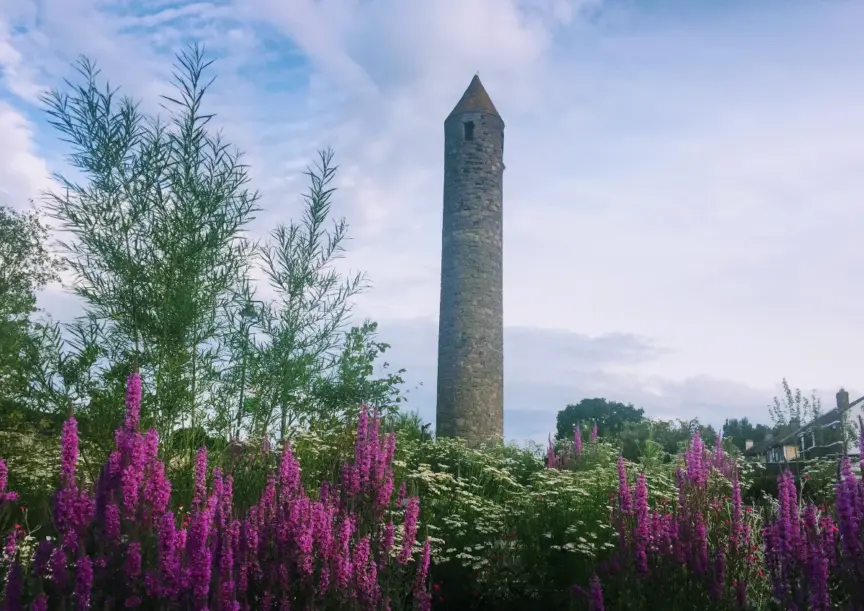
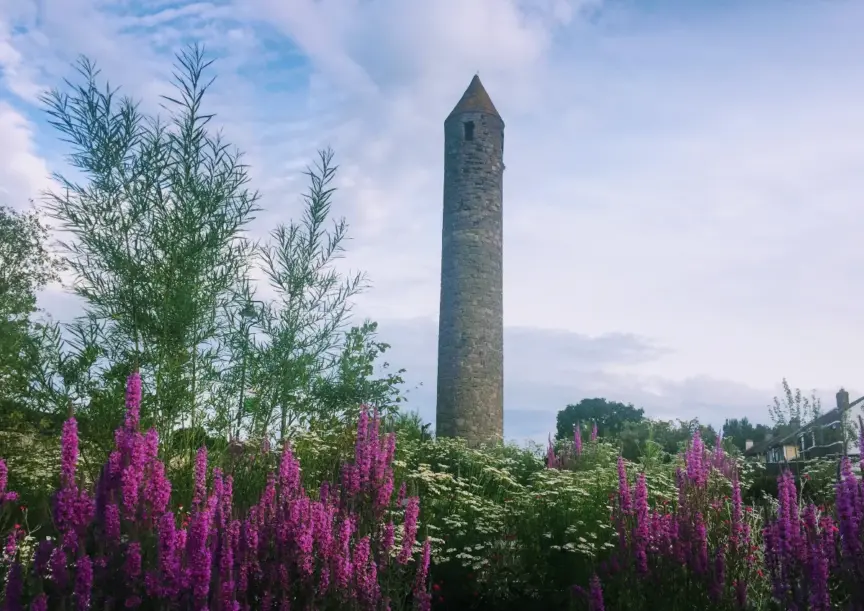
From 2024 – April 2025, Codema continued our work in the area of best-practice public engagement by working with South Dublin County Council to roll out a community engagement programme, which included on-the-ground engagement, a community climate action survey and a number of workshops to support their Decarbonising Zone plan in Clondalkin.
During April 2025 – July 2026, Codema worked with Dún Laoghaire-Rathdown County Council to engage key local stakeholders to take part in workshops to shape the supportive actions that would enable the delivery of the Dún Laoghaire-Rathdown Climate Action Plan 2024-2029.
From January 2025, Codema began work on the InterReg NWE E2-CUTIES project, which is facilitating the advancement of the Balbriggan Decarbonising Zone for Fingal County Council.
Ballymun Decarbonising Zone
Ringsend and Poolbeg Decarbonising Zone
Clondalkin Decarbonising Zone

Dún Laoghaire / Blackrock Decarbonising Zone